
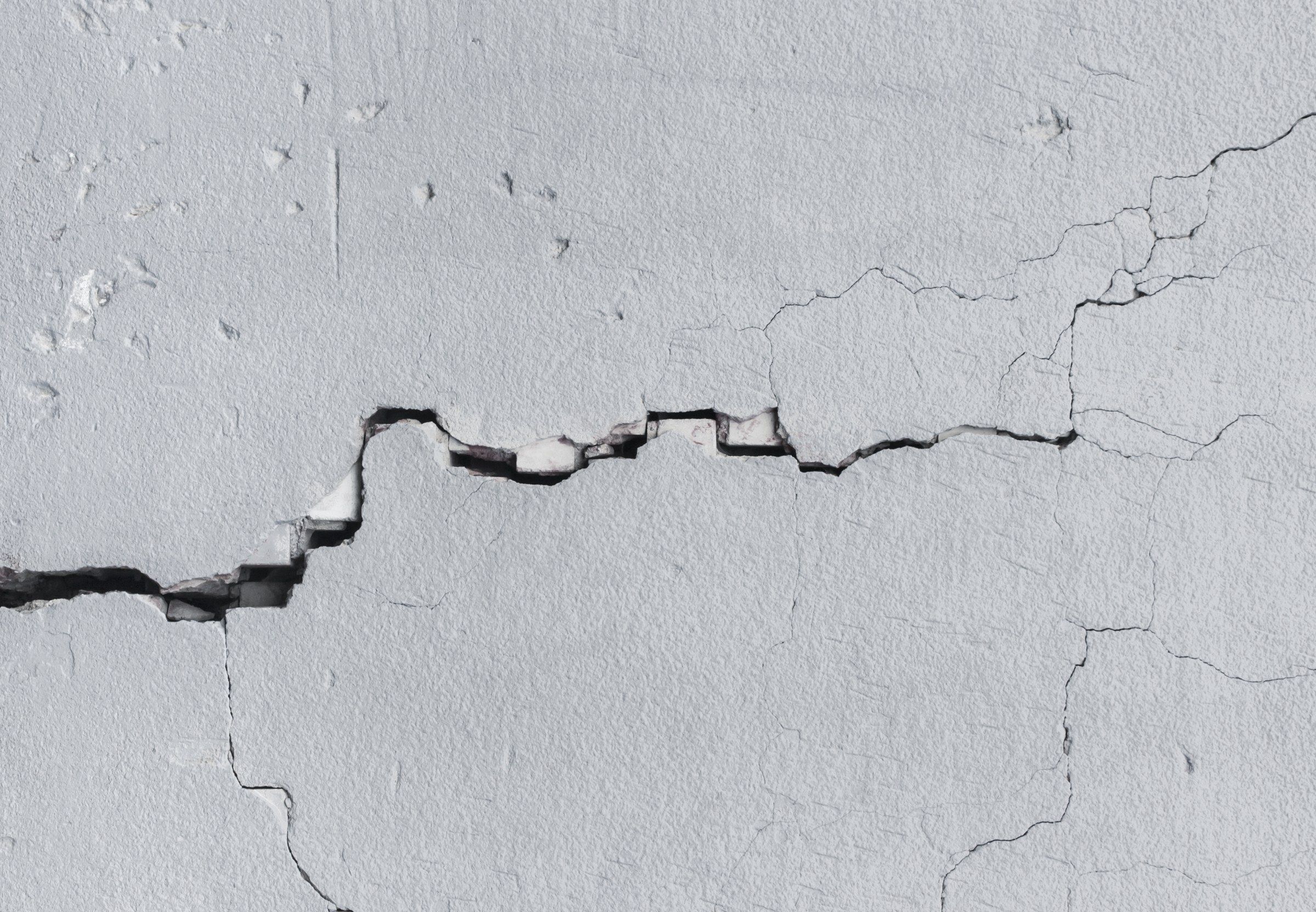
Drywall repair in Waukesha
The cracks, pops and dents a house collects over the years, fixed in one organized visit.
Get a free estimate- Common repairs
- Cracks, nail pops, tape, corners, holes
- Approach
- Fix the cause, then the surface
- Best time
- Before repainting or listing a home
Drywall takes abuse. Houses settle. Lumber shrinks. Doors slam. Kids happen. After ten or twenty years the walls show it, and a coat of paint will not cover any of it.
We repair drywall for homeowners, landlords and businesses. Give us the list. We fix what is behind each problem, then make the surface right.
Cause first
A crack is not the problem. It is the sign of one: tape that failed, a joint in the wrong place, framing that moves. Fill it without fixing that, and it will be back next season.
Our repairs go to the cause. Loose board is screwed down. Failed tape is cut out. Broken bead is replaced. Then the area is taped, coated, sanded and textured.
The usual list
Cracks over doors and windows
Diagonal lines from the corners of openings.
Nail pops
Small bumps or circles in walls and ceilings.
Peeling or bubbled tape
Seams lifting at corners and ceilings.
Crushed corners
Dented bead on outside corners.
Dents and gouges
From furniture and everyday life.
Old bad patches
Redone so they vanish.
A repair visit
Walk and mark
We go room to room with you and tag each spot.
Protect
Drop cloths and plastic where we work.
Fix the cause
Screws, tape, bead or new board.
Coat
Two or three coats on each repair.
Sand, texture, clean
Ready for primer.
What goes in
Drywall screws to re-fasten. Paper tape and setting compound for joints. New corner bead where the old is bent. Lightweight compound to finish.
For cracks that have returned more than once, we add reinforcement and may look at whether the framing needs attention.
Why bother
Paint that looks new
Sound walls make the paint job.
Problems stop recurring
Fixed at the source.
One trip
Every repair in the building handled together.
Better value at sale
Buyers and inspectors notice walls.
What sets the price
Repair is priced by time on site and number of visits.
The list
One crack or a whole-house punch list. A longer list costs more in total and much less per item.
Type of damage
Screw pops are quick. Long joint cracks need the tape cut out and replaced. Crushed corners need new bead.
Texture
Matching existing texture adds a step to every repair on that wall.
Reach
Stairwells and high ceilings need staging.
Cause
If the cause is still active, the repair waits or it gets repeated.
Why walls crack and pop
Wood moves. It shrinks in a dry Wisconsin winter with the furnace on and swells in a humid summer. Drywall does not move with it. The stress shows up at the weakest points: joints, corners, and the fasteners.
Screw pops happen when the board is not tight to the stud. As the stud shrinks, the screw head stays put and the board moves in, leaving a bump. The fix is a new screw nearby to pull the board tight, then both get filled.
Cracks above doors and windows follow the framing around the opening. Those need paper tape and setting compound. Caulk and spackle in a moving crack last one season.
Where repairs go wrong
Spackle in a joint crack
It fills. It does not hold. The crack is back by spring.
Re-driving the same screw
The hole is already stripped. A new screw goes beside it.
Narrow repairs
Tight patches leave ridges. Feather wide.
No primer
Repairs flash through the finish coat.
Walk the house with painter's tape and mark every spot. Check ceilings and closets too. Send photos, and we will price the list as one job.
If the house is new, consider waiting through one full winter. Most of the movement happens early, and one repair visit after it settles beats three during.
Repair methods by problem
Screw and nail pops
A new screw set beside the old fastener to pull the board in. Loose fastener removed or reset. Two coats over both.
Joint cracks
Loose tape and compound cut out. Joint re-taped with paper and rebuilt in three coats.
Corner cracks
Inside corners re-taped. Where framing moves, a flexible corner product may be the better choice.
Dented outside corners
Damaged bead cut out and a new section set in, then coated to match the line of the old corner.
Holes
Cut square, backed, filled with board and taped. See our patching page for sizes.
Loose or bubbled tape
Cut out along its length, re-bedded with enough compound, and recoated.
Torn face paper
Sealed with a primer made for it, then skimmed. Compound straight over torn paper will blister.
Most houses need a mix of these. A typical list has a dozen pops, two or three cracks at door corners, a dented corner in the hall, and a hole behind a door. That is one day of cut-out and first coats, then two short visits to finish.
Texture gets matched on each repair. Paint is the last variable. If the walls were painted recently and you have the same can, small repairs can sometimes be touched in. Otherwise plan to repaint each repaired wall from corner to corner.
When it is more than drywall
Some marks on a wall are messages. A diagonal crack that keeps growing from the corner of a door. A door that has started to stick near it. A crack you can fit a coin into. A gap opening between wall and ceiling on one side of the house only.
Those point to movement in the structure or the foundation, and patching them hides the evidence without touching the cause. If we see signs like that, we tell you, and we suggest having it looked at by the right professional before spending money on the surface.
The same goes for water. A repair over a stain with an unknown source is a guess. We would sooner cut a small inspection hole and look.
Good to know
Timing repairs with painting saves money. The repair and the paint job share the same protection, the same disruption and the same room being out of use. If you plan to repaint within the year, do the drywall list the week before the painter comes.
A humidifier on the furnace, set sensibly, reduces winter cracking. Wood shrinks as indoor air dries out, and the drier it gets, the more the framing moves. Very high settings cause their own problems on windows and in the attic, so follow the guidance for outdoor temperature.
Keep the list going. A strip of painter's tape on each new pop or crack through the year means the next repair visit takes one walk-through to scope.
One more habit helps. Fit door stops wherever a handle can reach a wall. It is the cheapest drywall repair there is, because it prevents the hole.
Before and after
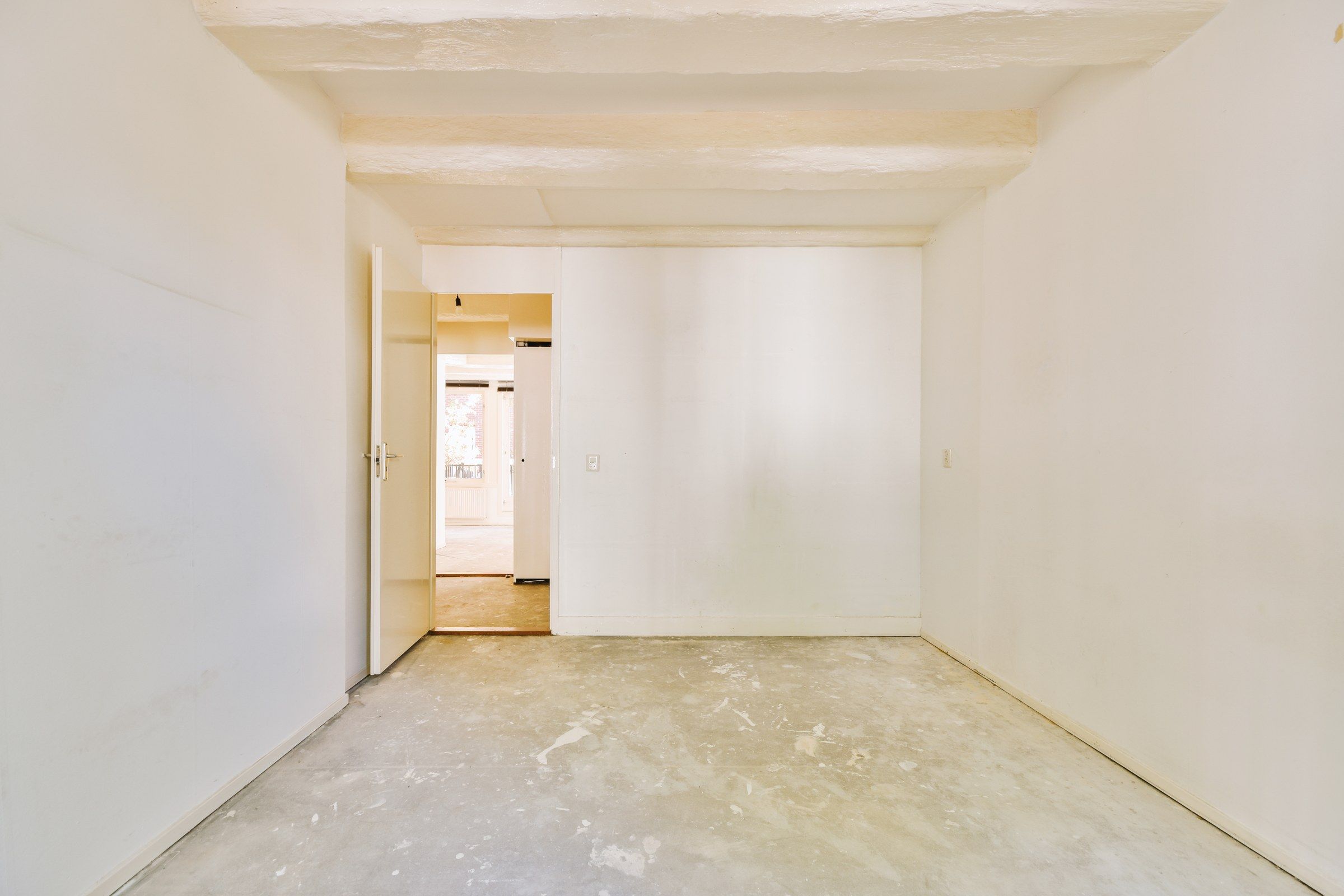
Stock photos used to illustrate the change. Not a specific project of ours.
Wear and tear in Waukesha
Dry winter air shrinks framing. Humid summers swell it. That yearly cycle is the main reason Waukesha walls crack and pop, in new houses as much as old ones.
We also do steady repair work for landlords near the university and for businesses downtown, where older buildings shift a little every year.
Questions about drywall repair
Are cracks a sign of foundation problems?
Rarely. Hairline cracks at joints and openings are normal movement. Wide or growing cracks with sticking doors should be checked by a structural professional.
What is a nail pop?
A fastener that has worked loose and pushed its covering out. We add a screw next to it and refinish.
Can you repair before my painter arrives?
Yes. That is the ideal order. Tell us the painter’s date and we work back from it.
Do you charge by the repair or the job?
By the job. We see the full list and give one price.
Do you work in rental units?
Yes. We coordinate access with the owner or manager.
Work that often goes with this
Drywall Patching
Holes cut out, backed, filled and blended in.
DetailsCeiling Drywall Repair
Cracks, sags, pops and stains fixed overhead.
DetailsWater-Damaged Drywall Repair
Wet, stained or moldy board removed and replaced.
DetailsDrywall Finishing
Level 4 and Level 5 finishes, skim coats and texture.
DetailsGet a price for drywall repair in Waukesha
Describe the job, add a photo, and we will send a written estimate.